

Sistema Nacional de Gestión de Riesgo en Colombia
🌎 El Sistema Nacional de Gestión de Riesgo de Desastres en Colombia coordina acciones para proteger comunidades, organizar respuestas y fortalecer territorios frente a emergencias.
Por
Sofía Díaz
Editado por
Sofía Díaz
Bitcoin's price in Colombian pesos (COP) fluctuates based on a mix of global and local factors. Unlike a traditional currency backed by a government, Bitcoin is decentralized and trades 24/7 on international exchanges. Its value against the dollar often drives its price in pesos but several local dynamics also matter.
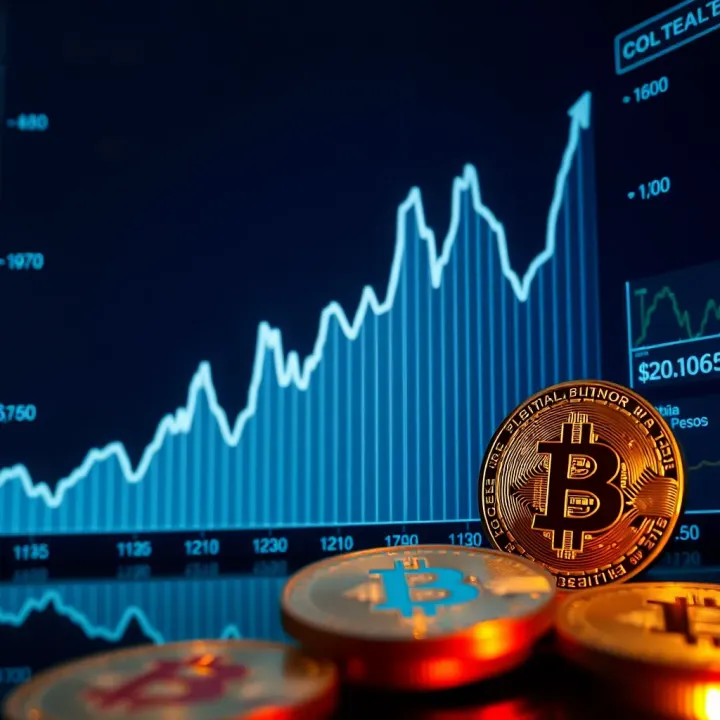
USD to COP Exchange Rate: Since Bitcoin is mostly priced in US dollars, any change in the peso-dollar exchange rate directly impacts its COP value. For example, when the dollar strengthens against the peso, Bitcoin usually looks more expensive in Colombia.
Global Bitcoin Demand and Supply: Worldwide trading activity, institutional investments, and regulatory news affect Bitcoin’s price universally. Colombian traders must keep an eye on these because local prices generally follow.
Local Market Liquidity: The availability or scarcity of Bitcoin in Colombian exchanges can cause premiums or discounts compared to international rates. Smaller trading volumes often lead to sharper price swings.
You can monitor Bitcoin’s value in pesos through popular Colombian crypto platforms like Buda.com or international sites like CoinMarketCap that offer currency conversion. Remember, prices might differ slightly between platforms due to fees and liquidity.
Watch Exchange Rates: If you’re trading or investing, watch how COP/USD shifts because it influences your buying power.
Compare Multiple Exchanges: Don’t settle for the first price you see; rates and fees vary widely among platforms.
Stay Updated on Colombian Regulations: Cryptocurrency rules are still developing in Colombia. Regulatory changes can impact market confidence and price.
Understanding the interaction between Bitcoin's global trends and Colombia's specific financial environment is essential for making smarter investment or trading decisions in COP.
Understanding how Bitcoin's price translates into Colombian pesos (COP) is essential for anyone interested in trading or investing in crypto within Colombia. Since Bitcoin is primarily valued in U.S. dollars (USD) globally, converting that value into COP affects how locals perceive and act on Bitcoin’s price movements. This conversion impacts trading decisions, investment strategies, and even tax calculations.
Understanding Bitcoin’s global valuation
Bitcoin's price is set on international exchanges like Coinbase, Binance, and Kraken, where transactions occur mostly in USD. This global valuation reflects demand, supply, macroeconomic factors, and investor sentiment worldwide. For example, if Bitcoin trades at $30,000 USD on these platforms, this figure becomes the baseline for calculating its price in any local currency — including COP.
Because Bitcoin doesn’t belong to any single country, its USD price often serves as the "anchor" value. While local factors can cause slight variances, the New York or San Francisco markets heavily influence Bitcoin’s global pricing. It’s why traders in Bogotá or Medellín watch U.S. market hours closely.
To get Bitcoin’s value in Colombian pesos, you multiply its USD price by the current USD-COP exchange rate. For example, if 1 USD equals 4,000 COP, and Bitcoin costs $30,000 USD, then Bitcoin would be worth 120 million COP. This direct calculation gives Colombians a practical reference to evaluate Bitcoin’s worth against familiar prices.
However, the USD-COP rate is not fixed. Fluctuations in the exchange rate make the COP value of Bitcoin swing even if its USD price stays steady. This means that sometimes the Colombian peso price changes more dramatically due to local currency shifts rather than Bitcoin's inherent value.
Impact of USD-COP fluctuations
The value of Bitcoin in Colombian pesos is highly sensitive to USD-COP exchange rate movements. For instance, if the Colombian peso weakens against the dollar—say, moving from 4,000 to 4,200 COP per USD—Bitcoin's price in COP rises without any change in its USD price. This can make Bitcoin appear more expensive for local buyers, affecting demand.
Businesses and traders relying on Bitcoin pricing must monitor these exchange rate changes closely. A rapid devaluation of the peso could lead to increased volatility in Bitcoin pricing figures reported in COP, independent of Bitcoin’s actual market activity.
How exchange rate volatility affects Bitcoin’s price
Volatility in the USD-COP exchange rate adds an extra layer of unpredictability for Colombian Bitcoin participants. Even if Bitcoin’s USD price is relatively stable, sudden swings in currency exchange can cause large shifts in Bitcoin’s peso price. This uncertainty makes timing trades more challenging.
For example, during periods of economic uncertainty, exchange rate swings often intensify, causing greater fluctuations in the COP price of Bitcoin. Some traders use this to their advantage by hedging currency risk or timing their Bitcoin purchases to coincide with favorable exchange rate movements.
Keep in mind that understanding Bitcoin’s price in Colombian pesos requires keeping an eye on two markets simultaneously: the global Bitcoin market and the USD-COP foreign exchange market.
Ultimately, knowing these dynamics helps Colombian traders and investors make smarter moves by evaluating both Bitcoin’s global valuation and local currency trends together.
Keeping a close eye on Bitcoin’s price in Colombian pesos (COP) is a must for traders, investors, and analysts dealing with crypto in Colombia. Because Bitcoin's value fluctuates not only globally but also depending on local factors like exchange rates and trading platforms, monitoring its price in COP helps you make smarter buying or selling decisions. For example, a spike in the USD-COP exchange rate can make Bitcoin appear more expensive in pesos even if its dollar price stays steady. Ignoring this can lead to missed opportunities or unexpected losses.
When tracking Bitcoin’s price in COP, it’s helpful to know which exchanges offer real-time data. Colombian platforms like Bitso and Panda Exchange cater directly to local users, displaying prices in pesos and often reflecting the local market’s supply and demand more accurately. On the flip side, big international exchanges such as Binance and Coinbase primarily use USD as their base currency. These platforms allow you to convert Bitcoin prices to COP using current exchange rates, though you might spot slight delays or differences compared to local platforms.
Using local exchanges can provide you a more grounded sense of Bitcoin’s price within the Colombian market, especially because they account for local trading fees and specific payment methods like bank transfers or PSE. Meanwhile, international platforms often offer higher liquidity, presenting tighter spreads, which might result in slightly better prices for quick traders.
Apart from exchanges, several websites and smartphone apps provide Bitcoin pricing tailored to Colombian users. Platforms like CoinMarketCap, CoinGecko, or CryptoCompare allow you to select COP as your preferred currency, showing updated Bitcoin prices with charts and historical data. These tools are especially useful for spotting trends over days or weeks.
Mobile apps like Delta or Blockfolio also send real-time Bitcoin price alerts in COP, helping you react quickly to market swings. For investors juggling multiple cryptocurrencies, these apps centralize your portfolio tracking with COP valuation—so you always know your total holdings' worth without manual conversions.
Bitcoin prices don’t always line up perfectly across every exchange, especially when comparing local Colombian platforms with global ones. This results from differences in liquidity, trading volume, payment methods, and even crypto regulations. For instance, Bitso might show Bitcoin at 150 million COP while Binance shows 149.7 million COP—small gaps but important for those trading large amounts.
Arbitrage opportunities sometimes pop up due to these discrepancies, letting savvy traders profit by buying Bitcoin on one platform where it's cheaper and selling on another where the price is higher. Still, transfer times, fees, and changing prices between trades can nudge these windows tight.
Trading volume directly affects price stability. Exchanges with higher Bitcoin trading volumes usually experience tighter bid-ask spreads—meaning the price difference between buying and selling becomes smaller. This leads to more consistent and fair market prices.
In Colombia, smaller exchanges might have lower volume, which means bigger price swings in short periods, especially during major news or economic events. For example, if a political announcement rattles markets, an exchange with lower volume could see prices jump or drop more rapidly than bigger platforms with extensive liquidity.
Keeping track of Bitcoin prices on multiple platforms while understanding volume effects helps you gauge the market's true pulse and avoid surprises caused by sudden local price swings.
Balancing information from reliable exchanges and price trackers puts you in a strong position to manage your Bitcoin investments or trades efficiently within Colombia's unique market conditions.
Bitcoin’s price in Colombian pesos doesn’t exist in a vacuum. It reacts to local economic forces and political decisions, as well as swings in the global market. Understanding these factors gives traders and investors a clearer picture of why Bitcoin might jump or dip on any given day.
Inflation and monetary policy in Colombia play a big role in Bitcoin’s appeal and pricing locally. Colombia’s inflation rate affects the peso’s purchasing power, pushing some investors toward Bitcoin as a hedge. For example, when the country has experienced inflation rates creeping over 5%, people often look for assets that don’t lose value as quickly as cash — Bitcoin sometimes fills this gap despite its own volatility. Central Bank policies around interest rates and money supply also influence peso strength; if policies weaken the peso, converting Bitcoin’s value into pesos results in noticeable price shifts.
The regulatory environment for cryptocurrencies in Colombia also shapes Bitcoin’s market. While Colombia doesn’t ban crypto outright, it has set rules around its use and taxation that traders need to navigate. For example, the Colombian government requires reporting of crypto gains, potentially affecting trading volumes as investors weigh tax impacts. Unclear or shifting regulations can create uncertainty, leading to sharper price swings as the market reacts to new announcements or speculations.
Bitcoin’s price in Colombia is also affected by international Bitcoin demand. Since Bitcoin is traded globally, surges in demand from major markets like the U.S. or Europe tend to push prices upward worldwide, including Colombia. If there's heavy buying activity on exchanges like Coinbase or Binance, Colombian traders will see a higher peso price. Conversely, if global enthusiasm cools off, local prices typically reflect that downturn.
Effects of major events on price movement are significant as well. Things like geopolitical tensions, regulatory crackdowns in big markets, or high-profile endorsements can trigger sharp price spikes or drops. For instance, when a large economy like China announces stricter crypto rules, Bitcoin’s price often drops quickly, impacting Colombian traders even if local news is silent. Similarly, events like Bitcoin halving or major technological upgrades influence sentiment and thus pricing on a global and local stage.
Keep in mind that these factors are interconnected. Inflation rates, government policies, global demand, and major events weave together, shaping the real-time value of Bitcoin in Colombian pesos.
In short, to really grasp Bitcoin's price in Colombia, you have to keep one eye on home economics and policies, and the other on global shifts and trends.
Trading Bitcoin in Colombia presents unique opportunities and challenges shaped by local market conditions, payment options, and legal frameworks. Understanding the main exchanges and available payment methods is crucial for any trader or investor looking to participate safely and effectively in the Colombian crypto space.
Local exchanges like Buda.com, Bitso, and Panda Exchange cater specifically to Colombian users by supporting Colombian peso (COP) transactions and offering bank transfer integrations with local banks such as Bancolombia and Davivienda. These platforms often provide features tailored to the Colombian market, including competitive fees, quick verification processes, and user interfaces in Spanish, making them more accessible. For example, Buda.com handles various cryptocurrencies with a focus on reliable fiat-crypto conversions, which is a practical advantage for new traders.
Using bank transfers is one of the most common payment methods due to Colombia’s extensive banking infrastructure. Transfers from major banks via ACH or SPEI networks enable relatively quick settlement times. Additionally, digital wallets like Nequi and Daviplata allow users to deposit or withdraw Colombian pesos conveniently, without needing a traditional bank account. This flexibility benefits users who prefer mobile-first financial solutions or lack access to full-service banking.
Protecting your Bitcoin investments requires adopting best practices such as using hardware wallets or trusted software wallets with two-factor authentication. Local scams and phishing attempts have unfortunately increased, so traders should verify every transaction and avoid sharing private keys or account details. For instance, cold storage solutions such as Ledger or Trezor provide an added layer of security by keeping assets offline.
Legally, Colombia has been cautious but open to cryptocurrencies. The Colombian Financial Superintendency issues warnings about the risks but does not outright ban crypto trading. Taxpayers need to report earnings from cryptocurrency sales in their annual tax filings according to current SAT rules, treating gains as capital income subject to taxation. For example, frequent traders should keep detailed transaction records to comply with potential IRS-like audits by Colombian authorities. Staying current with regulatory updates helps traders avoid unexpected legal complications.
Bottom line: Knowing the ins and outs of popular exchanges, payment methods, and security plus legal duties will help you trade Bitcoin in Colombia with greater confidence and less risk.
Bitcoin has attracted considerable attention from Colombian investors, given its promise and risks. Evaluating it within Colombia’s unique economic and regulatory environment is essential for making smart investment choices. Unlike traditional assets tied to the Colombian peso (COP), Bitcoin’s value swings globally but translates locally based on exchange rates and market dynamics, creating specific challenges and opportunities for investors in the region.
Volatility and opportunities: Bitcoin’s price is famously volatile, which can be intimidating but also opens doors to significant gains. For instance, Colombians who bought Bitcoin during a dip, say in late 2022, might have seen steep returns by early 2023. Yet, this volatility demands caution — sudden price drops can wipe out investments quickly. For those willing to watch the market closely, Bitcoin trading can feel like riding waves where timing matters a lot.
Long-term outlook versus short-term speculation: Holding Bitcoin as a long-term investment in Colombia may work better for many than trying to make quick profits by trading daily. The long-term view banks on Bitcoin eventually gaining wider acceptance and value appreciation over years, not days. However, some local traders do engage in short-term speculation, aiming to capitalize on price swings typical in Colombia’s crypto exchanges. Understanding your risk tolerance and investment goals helps determine which approach fits you best.
Diversification strategies: Don’t put all your eggs in one basket, especially with crypto. Investors in Colombia benefit from mixing Bitcoin with other assets, such as stocks listed on the Colombian stock exchange (BVC), government bonds, or even other cryptocurrencies like Ethereum. This mix can protect your portfolio if Bitcoin's price takes a tumble, balancing risk across different options.
Staying informed about market and legal updates: Cryptocurrencies live in a fast-changing environment, particularly in countries like Colombia where regulations are evolving. It’s critical for investors to follow updates from local authorities such as the Superintendencia Financiera de Colombia and to keep an eye on international crypto news from platforms like CoinMarketCap. Knowing new tax rules, trading restrictions, or shifts in government stance allows you to adjust your investments proactively.
Staying alert to the legal landscape and market trends can make the difference between a savvy Bitcoin investor and a reactive one in Colombia.
Bottom line: Evaluating Bitcoin in Colombia means balancing volatility with opportunity, understanding market timing, diversifying wisely, and always staying current on rules and trends. These strategies can help Colombians make clear-headed investment decisions amid the excitement and uncertainty surrounding Bitcoin.
🌎 El Sistema Nacional de Gestión de Riesgo de Desastres en Colombia coordina acciones para proteger comunidades, organizar respuestas y fortalecer territorios frente a emergencias.

📈 Descubre qué son las opciones binarias en trading, cómo funcionan, sus ventajas y riesgos para operar con seguridad en Colombia y sacarles provecho. 💡
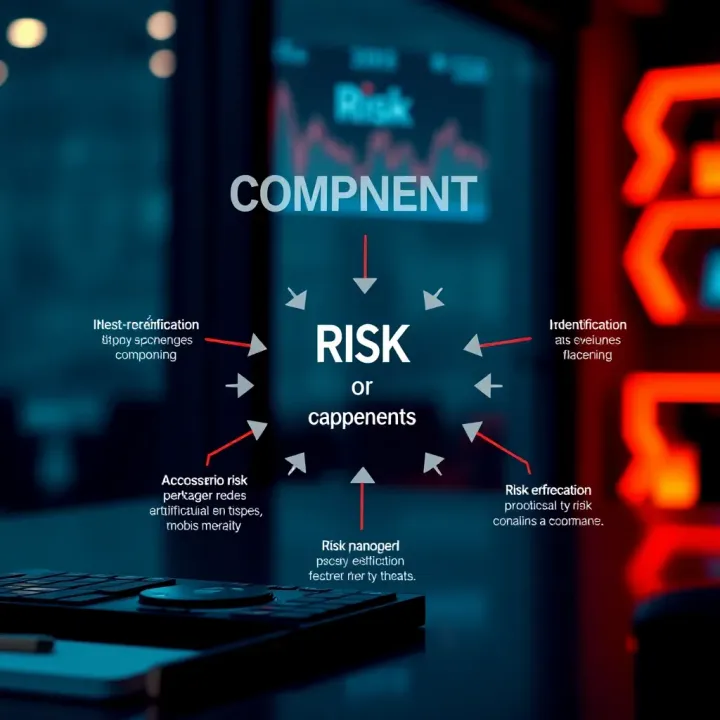
🔍 Descubre cómo implementar un Sistema de Gestión de Riesgo en tu empresa para identificar amenazas, proteger recursos y asegurar la continuidad operativa en Colombia.

📈 Aprende a aplicar estrategias de swing trading para aprovechar tendencias a corto y mediano plazo en el mercado, con consejos y análisis de riesgos claros.
Basado en 15 reseñas