

Sistema Nacional de Gestión de Riesgo en Colombia
🌎 El Sistema Nacional de Gestión de Riesgo de Desastres en Colombia coordina acciones para proteger comunidades, organizar respuestas y fortalecer territorios frente a emergencias.
Getting started in the Colombian stock market means understanding its key features and what sets it apart from more familiar markets like the NYSE or NASDAQ. The Colombian Exchange, or Bolsa de Valores de Colombia (BVC), is the main platform where shares of Colombian companies trade. Unlike larger markets, the BVC has a relatively modest number of listed companies — around 50 major ones — which means liquidity can be lower, especially for smaller firms.
Before buying any stocks, it’s critical to get familiar with Colombia’s economic landscape. The market tends to reflect the country's heavy reliance on sectors like oil, mining, finance, and manufacturing. For example, large companies like Ecopetrol in energy or Bancolombia in banking often drive market movements. Knowing these sector dynamics helps you spot opportunities and risks.
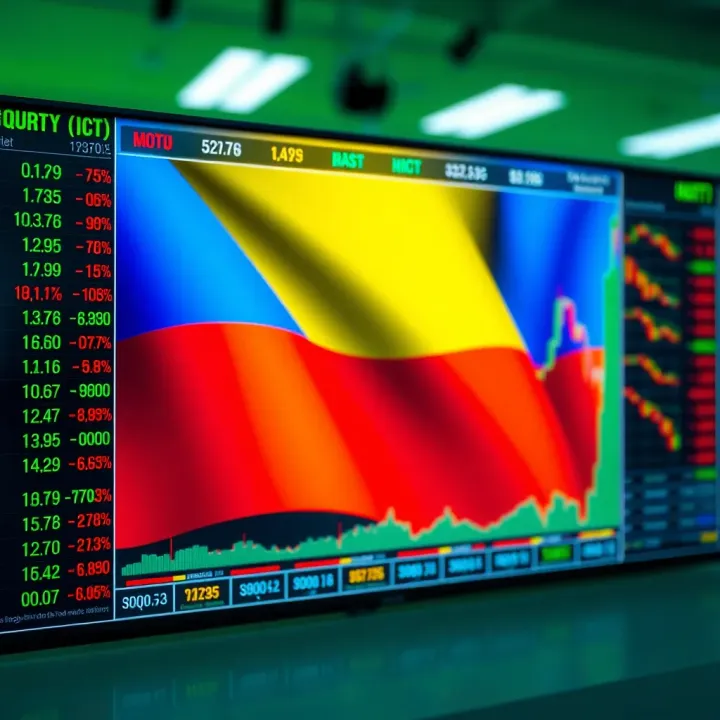
Here’s a quick rundown to get you going:
Brokerage Accounts: To trade Colombian stocks, you’ll need a local or international broker that offers access to BVC. Choose brokers registered with Colombia's Financial Superintendency (Superintendencia Financiera). This ensures regulation compliance and investor protection.
Currency Matters: Investments are usually denominated in Colombian pesos (COP). Fluctuations between COP and USD can impact returns if you’re a foreign investor. Consider currency risk as part of your strategy.
Market Hours: BVC operates weekdays from 9:30 AM to 3:00 PM local time (GMT-5). Trading outside these hours isn’t typical, so plan accordingly.
Regulations and Taxes: Colombia applies capital gains taxes on stock profits. The current rate is generally around 10%, but this can vary with holding periods. Also, the market is overseen by the Financial Superintendency, which enforces transparency and fairness.
To avoid surprises, pay attention to company disclosures and BVC announcements. Regular quarterly earnings reports and local economic updates can move stock prices significantly.
In short, investing in Colombian stocks demands a clear grasp of local market mechanics, broker selection, currency considerations, and tax rules. Getting these basics right sets the foundation for smarter, more confident investment decisions.
Getting familiar with the Colombian stock market is a key step if you want to invest wisely. This market has its own quirks and characteristics that can impact your decisions, so understanding it can help you avoid common pitfalls and spot real opportunities.
Colombia's financial market reflects a growing economy with increasing foreign investment interest. The country’s banking system is relatively stable, and the stock market has been evolving, drawing attention from regional and international investors. This environment combines traditional industries like oil, finance, and utilities with emerging sectors such as technology and infrastructure.
Knowing this mix helps you understand where growth might come from. For example, Colombia's expanding middle class supports retail and consumer goods companies, which in turn often influence stock market movements.
The Bolsa de Valores de Colombia (BVC) is the main platform where stocks, bonds, and other securities are traded. It's like the heart of the country's capital markets, facilitating transparent and regulated trading. For investors, knowing the BVC structure matters because it defines trading hours, settlement processes, and the rules brokers follow.
BVC offers an online system with listings of local companies and real-time price updates. This accessibility helps investors react quickly to market changes, manage portfolios, and make informed decisions.
Some notable Colombian companies listed on the BVC include Ecopetrol (oil and gas), Bancolombia (banking), and Grupo Aval (financial services). These firms often represent large portions of the market capitalization and influence overall market trends.
Understanding these companies is practical because their stock performance can signal economic shifts or specific sector trends. For instance, a sharp rise in Ecopetrol's shares might reflect changes in global oil prices or local policy adjustments.
The COLCAP index tracks the 20 most liquid stocks on the BVC. It offers a snapshot of market health, similar to how the S&P 500 does in the US. Watching the COLCAP helps investors gauge market direction and compare their portfolio performance.
Besides, the IGBC (Indice General de la Bolsa de Valores de Colombia) includes a broader range of stocks. Both indices serve the purpose of benchmarking and are referenced widely in financial news and reports.

Stock trading in Colombia mostly happens electronically through the BVC platform. Investors can place orders via brokers who connect to the exchange. Transactions settle in a few business days, with regulations ensuring security and transparency.
Trading hours typically run from 8:30 AM to 2:45 PM local time (Colombia Time Zone - COT), Monday through Friday. The market operates under clear rules for order execution, price limits, and information disclosure.
For anyone eager to invest in Colombia, knowing how the market functions—from its exchanges to major players and trading protocols—is fundamental. It turns guesswork into strategy.
Starting your investment journey in Colombia means first understanding the practical steps you need to take. A key part of this process is opening a brokerage account and choosing the right investment account type. These steps set the foundation, allowing access to the Colombian Stock Exchange and creating a platform for managing your assets effectively.
Requirements and documentation are straightforward but essential to get right. To open a brokerage account in Colombia, you typically need to provide an official ID (passport or Colombian cédula for residents), proof of address, and tax identification (NIT for Colombians or equivalent). Some brokers also require bank statements or evidence of income to confirm financial capacity. This documentation ensures compliance with Colombia’s financial regulations and protects both investors and brokers.
Choosing a reliable broker can greatly influence your investing experience. Look for brokers registered with the Superintendencia Financiera de Colombia, the financial regulator, to ensure they follow legal standards. Factors like user-friendly trading platforms, transparent fee structures, and responsive customer support matter. For example, brokers like Alianza Valores and Casa de Bolsa have earned reputations by offering solid platforms and regulatory compliance, making them good options to consider.
Individual accounts are the most common choice for Colombian investors. These accounts are registered under your name, allowing direct control over investment decisions and portfolio management. They’re ideal for people looking to invest personal savings in stocks, ETFs, or bonds on the Colombian market. Individual accounts also make tax reporting simpler since all gains and losses belong to one person.
Corporate accounts cater to businesses or legal entities wanting to invest as part of their financial management strategy. They allow companies to grow their capital through stock market investments while benefiting from potentially favorable corporate tax treatments. For example, a local startup might open a corporate account to invest excess cash in blue-chip Colombian companies, helping balance risk with growth.
Custodial accounts allow a third party, usually a parent or guardian, to hold and manage investments on behalf of a minor or beneficiary. This type of account is useful if you plan to invest for your children’s future, providing a legal structure for responsible asset management until they reach adulthood. Many Colombian brokers offer custodial accounts, ensuring that the investments are securely handled until the beneficiary can take control.
Starting out with the right brokerage account and investment type simplifies your path to engaging with Colombia’s financial markets and helps you avoid pitfalls related to compliance and risk management.
Selecting the right investment strategies and options is fundamental when diving into the Colombian stock market. Each approach offers different levels of risk, potential returns, and suits varying investor profiles. Understanding these options helps you align your portfolio with your financial goals and risk tolerance.
Long-term holding is about buying stocks with the intention of keeping them for several years. This strategy suits investors who aren’t bothered by short-term market swings but want exposure to Colombia’s growing sectors, like energy or banking. For example, holding shares in Ecopetrol, Colombia's largest oil company, could benefit from long-term oil demand trends. These investors often ride out volatility, banking on the company's sustained growth.
Dividend investing targets stocks that regularly pay profits back to shareholders as dividends. Many Colombian companies, especially in sectors like utilities and finance, offer dividends that provide steady income alongside potential share price gains. Companies such as Bancolombia often attract dividend-focused investors looking for cash flow rather than just capital appreciation. This approach suits those wanting passive income, especially when reinvesting dividends can compound returns over time.
Active trading demands a hands-on approach where investors buy and sell stocks frequently to capitalize on short-term market movements. For example, traders might exploit daily price swings in stocks like Grupo Aval or Avianca using technical analysis or news-driven events. While this strategy can be lucrative, it requires market knowledge and quick decision-making, plus it carries higher transaction costs and tax implications in Colombia.
ETFs and mutual funds provide avenues to invest in baskets of Colombian stocks or mixed assets, offering diversification without picking individual shares. For instance, the Global X MSCI Colombia ETF exposes investors to a broad Colombian equity portfolio traded on the New York Stock Exchange. Mutual funds managed locally can also focus on Colombian fixed income or equity, suitable for investors wanting professional management and lower concentration risk.
Fixed income securities, like Colombian government bonds and corporate debt, appeal to investors prioritizing capital preservation and steady income. These tend to be less volatile compared to stocks. Consider Tesoro Directo, a platform offering government bonds with varying maturities and yields. For investors balancing risk, blending bonds with equities can smooth returns during turbulent times.
Foreign investment options open the door to international opportunities while investing in Colombia through American Depositary Receipts (ADRs) or global funds. Some Colombian companies list ADRs on US exchanges, letting investors buy shares just like any other US stock. This path lowers barriers such as currency exchange and complex local regulations, making it easier for foreign investors to partake.
Understanding these strategies and instruments arms you with choices to fit your unique investment style and goals in Colombia’s dynamic market.
Understanding the risks involved in investing in Colombia's stock market is critical for making informed decisions. Investors need to grasp economic and political dynamics, as well as regulatory and tax rules that directly affect returns. Knowing these factors helps mitigate losses and capitalize on opportunities.
Colombia's economy is closely linked to commodities like oil and coffee, which means fluctuations in global prices can impact stock values quickly. For instance, a drop in oil prices often leads to a decline in shares of energy companies listed on the Colombian Stock Exchange. Additionally, inflation rates and exchange rate swings (between the Colombian peso and the US dollar) influence corporate earnings and investor confidence. Investors should watch key economic indicators like GDP growth and inflation reports to anticipate market trends.
Political developments can cause significant volatility. Colombia has faced periods of unrest or policy uncertainty that affected investor sentiment. For example, regulatory changes or debates over taxation can trigger sharp market reactions. Election years tend to bring extra caution, as new administrations might pursue different economic agendas. While Colombia's democratic institutions are relatively stable, any shift in government policy, especially around foreign investment or taxation, should be on investors’ radar.
Capital gains tax in Colombia applies to profits from selling stocks, and knowing the exact rate helps investors estimate net returns. Currently, individual investors pay a 10% tax on capital gains, but the rules can vary depending on holding periods and investor residency. For example, profits from shares held less than two years may be taxed differently. Understanding these tax rules can influence decisions on when to sell to minimize tax burdens.
Investors must navigate Colombia’s regulatory environment, including anti-money laundering laws and reporting requirements, especially if they are foreign nationals. Brokerage accounts often require detailed documentation to comply with Know Your Customer (KYC) standards. Failure to meet these compliance rules can lead to account freezes or penalties. Staying on top of regulatory updates from Colombia’s financial authorities ensures smoother investment operations and helps avoid legal issues.
The bottom line is that risks in Colombia’s stock market stem not only from market movements but also from economic shifts, political changes, tax rules, and regulatory demands. Knowing these factors lets investors plan smarter and trade with confidence.
Investing in Colombia's stock market isn't just about picking stocks and hoping for the best. Successful investing relies heavily on solid research, smart risk management, and staying sharp to market changes. These tips are the nuts and bolts that help you avoid costly mistakes and make your money work harder for you.
Analyzing company fundamentals means digging into the financial health and business model of companies before you invest. You want to understand metrics like earnings growth, debt levels, profit margins, and cash flow. For example, when considering shares of Grupo Aval, a major Colombian banking group, you’d look at its loan portfolio quality and how economic shifts affect its revenue streams. This kind of homework helps you spot companies that are not just popular but financially sturdy.
Staying updated with market news is equally crucial because Colombia’s stock market can be sensitive to political decisions, commodity prices, and economic reports. Imagine hearing about new infrastructure projects early—that would affect construction and materials companies' stocks. Sources like financial newspapers, specialized websites, and updates from the Bolsa de Valores de Colombia keep you in the loop so you can react quickly, whether it’s trimming exposure before election volatility or jumping on a sector’s surge.
Balancing risk means spreading your investments across different industries, asset types, and even other countries if possible. Relying heavily on oil stocks or banking shares might seem tempting during boom times but spells trouble if that sector tanks. Building a portfolio that includes Colombian consumer staples, energy, and financials can soften blows during downturns. For instance, combining Ecopetrol (oil) with Bancolombia (banking) and Grupo Nutresa (food) helps stabilize returns.
Adjusting to market trends is about being flexible, not rigid, in your investment approach. Say the Colombian peso is weakening, making imports pricier but exports more attractive. You might rebalance by reducing companies reliant on imports while boosting exporters or sectors that benefit from a weaker currency. Market trends also include shifts in global demand or local regulatory changes, so watching these can signal when to buy, sell, or hold certain stocks.
Bottom line: Smart investing in Colombia means doing your homework, keeping your ear to the ground, and balancing your bets. It’s how you turn opportunity into profit without getting caught off guard.
🌎 El Sistema Nacional de Gestión de Riesgo de Desastres en Colombia coordina acciones para proteger comunidades, organizar respuestas y fortalecer territorios frente a emergencias.

📈 Descubre qué son las opciones binarias en trading, cómo funcionan, sus ventajas y riesgos para operar con seguridad en Colombia y sacarles provecho. 💡
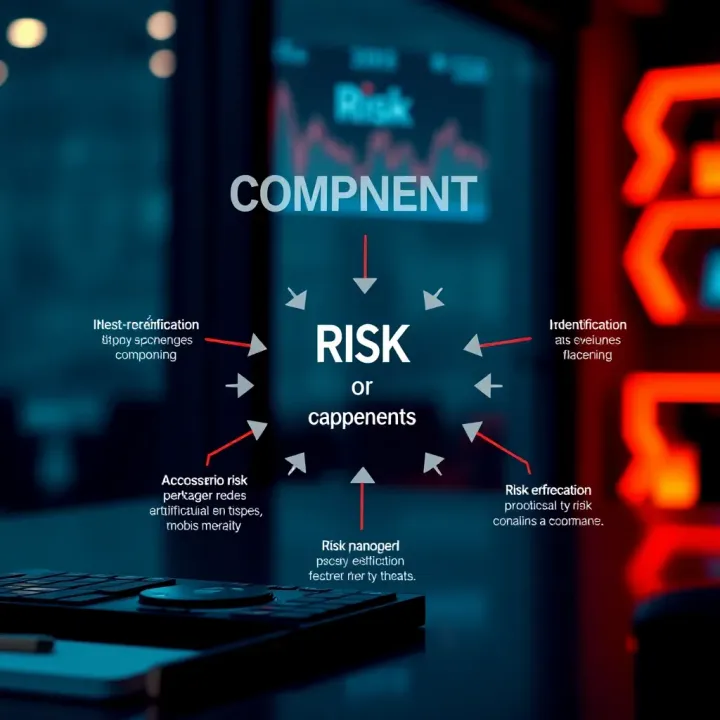
🔍 Descubre cómo implementar un Sistema de Gestión de Riesgo en tu empresa para identificar amenazas, proteger recursos y asegurar la continuidad operativa en Colombia.

📈 Aprende a aplicar estrategias de swing trading para aprovechar tendencias a corto y mediano plazo en el mercado, con consejos y análisis de riesgos claros.
Basado en 6 reseñas