

Sistema Nacional de Gestión de Riesgo en Colombia
🌎 El Sistema Nacional de Gestión de Riesgo de Desastres en Colombia coordina acciones para proteger comunidades, organizar respuestas y fortalecer territorios frente a emergencias.
Editado por
Ana Sofía Pérez
Converting Costa Rican colones (CRC) to Colombian pesos (COP) isn’t just about plugging numbers into a calculator. The process hinges on current exchange rates, fees charged by intermediaries, and picking the right moment and method for the transaction. Traders, financial analysts, and students diving into forex will find that understanding these variables can save money and cut down risk.
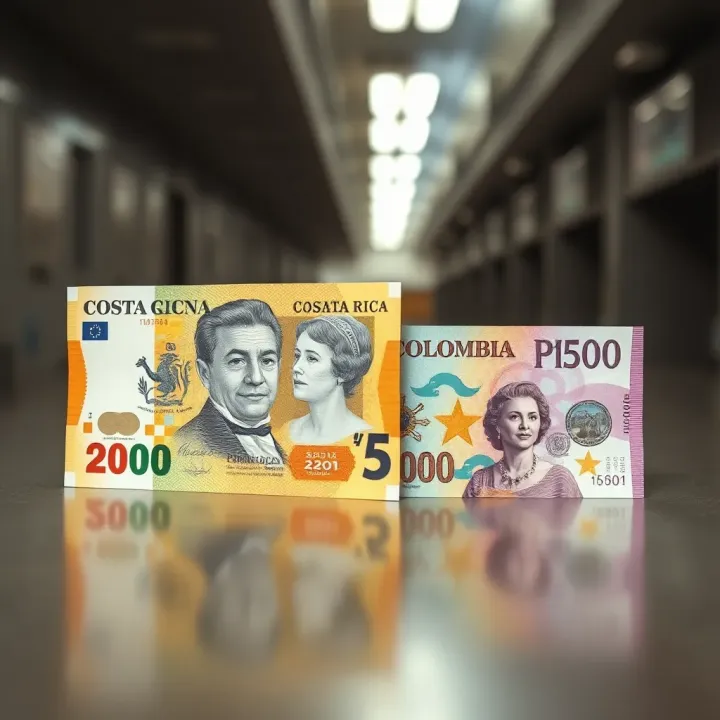
The CRC-COP exchange rate fluctuates daily based on supply and demand, political stability, and economic news in both countries. For instance, if Colombia’s trade balance improves or Costa Rica faces inflation spikes, the rate shifts—sometimes by several percent within weeks. Check rates from reliable sources like Bloomberg or XE to get real-time figures.
Example: On a recent day, the exchange might have been 1 CRC = 20 COP. Exchanging 10,000 CRC would then yield about 200,000 COP before fees.
Not all methods are created equal. You can convert currency:
At banks: Usually safer but fees and rates may not be the most competitive.
Through currency exchange offices: They often offer better rates than banks but watch out for hidden fees.
Via online platforms: Some fintech apps let you convert currencies instantly at close-to-market rates with low fees.
Every conversion involves costs. Common fees include:
Service charge or commission — a fixed or percentage cut.
Spread between buy/sell rates — this is where money gets made.
Withdrawal fees if transferring physical cash.
Example: If you exchange 50,000 CRC at a 2% fee, you'll lose $1,000 CRC equivalent in charges, altering the final COP amount.
Quote: "Even small differences in exchange rate margins and fees add up, especially over repeated transactions or large sums."
Compare rates frequently before choosing an exchange service.
Watch for hidden fees on both ends of the transaction.
Consider timing: avoid exchanging on volatile days during political events or economic announcement days.
Larger transactions may qualify for better rates — ask about this.
The bottom line is to do your homework. Getting a better rate or cutting fees by just half a percent can save a few hundred dollars on a typical mid-sized exchange. For investors or financial advisors managing multiple currencies, that margin matters even more.
In the next sections, we'll break down practical examples, real-life scenarios, and the best places to check rates and exchange currencies between Costa Rica and Colombia.
Grasping the basics of the Costa Rican Colón (CRC) and the Colombian Peso (COP) is key when dealing with currency exchange between these two nations. Without understanding their histories and economic contexts, conversions might lead to surprises—whether that's unexpected fees, unfavorable rates, or timing your trades poorly.
The Costa Rican Colón has been the official currency of Costa Rica since 1896, named after Christopher Columbus (Cristóbal Colón in Spanish). It replaced the Costa Rican peso, aligning the country's monetary system with modern needs at the time. For traders and investors, knowing this lineage is useful to comprehend potential currency stability or shifts tied to national events over the last century.
Currently, the CRC is widely used within Costa Rica for everything from local groceries to tourism services. Its exchange rate reflects both Costa Rica's stable tourism-driven economy and agricultural exports like bananas and coffee. When converting Colones abroad, it’s important to remember that while the currency is stable against major global currencies, it can still fluctuate against regional peers like the Colombian Peso.
Regarding value trends, the Colón has experienced mild inflation over the past decade, generally hovering around four percent annually. This steady inflation suggests a relatively stable purchasing power but also indicates a gradual loss of value over time. For someone converting CRC to COP, this means watching inflation rates and economic indicators can offer clues about when exchange rates might be more favorable.
The Colombian Peso, officially in use since the mid-19th century, plays a pivotal role in Colombia's economy. Its foundation came during the country's push toward economic modernization and remains integral to daily commerce—from small street vendors in Bogotá to large export deals for coffee and oil.
Economically, the Peso reflects Colombia's dependency on commodities and global markets. Price swings in oil or coffee can sway the Peso's value significantly. For example, a dip in oil prices tends to weaken the Peso, impacting conversions for those moving money between CRC and COP.
Several factors affect the Colombian Peso’s exchange rate. Political events, such as elections or policy changes, often cause volatility. Additionally, Colombia’s economic health, measured by GDP growth and inflation rates, directly impacts the Peso’s strength. Traders should stay alert to these elements since they dictate the timing and success of currency exchanges.
Understanding these foundational elements helps you make more strategic choices when converting Colones to Pesos, ensuring you avoid unfavorable rates and unexpected costs.

By keeping an eye on each currency’s history, economic role, and influencing factors, you can better anticipate market moves and get the most out of your currency exchanges.
Knowing the current exchange rate between Costa Rican colones (CRC) and Colombian pesos (COP) is a must for anyone looking to convert money effectively. Exchange rates fluctuate constantly, impacting the actual amount of pesos you’ll get for each colón. Accessing timely, accurate rates helps you make smarter decisions and avoid losing money to sudden market changes.
Central banks and official financial institutions in both Costa Rica and Colombia provide reliable exchange rate data. For example, the Central Bank of Costa Rica regularly publishes the CRC rates, while Colombia’s Banco de la República releases COP data. These rates often serve as the benchmark for many currency traders and institutions. Checking these sources ensures you get rates based on official market activity rather than speculative or outdated ones.
Websites like XE, OANDA, and Bloomberg offer quick, accessible online currency converters showing real-time CRC to COP rates. These tools pull data from multiple sources to provide a near-instant snapshot of the current market. They're practical if you need a fast estimate or want to compare rates across platforms before making a transaction.
Mobile apps have made it even easier to keep an eye on exchange rates on the go. Apps like Currency, Revolut, or even Google’s currency converter offer alerts and push notifications when significant rate changes occur. This real-time feature is especially handy for traders and advisors who want to time their conversions or inform clients promptly.
Economic performance indicators such as GDP growth, interest rates, and inflation in both countries heavily influence the exchange rate. For instance, if Costa Rica’s economy shows strong growth while Colombia faces slower inflation, the colón might strengthen against the peso, improving your conversion value. Traders watch reports like employment figures and manufacturing output to forecast these movements.
Political events can shake up the currency markets. For example, an election in Colombia with uncertain outcomes might cause the peso to dip, while a stable government in Costa Rica could make the colón more attractive. Investors prefer currencies from politically stable countries, so monitoring news from both nations can give you an edge.
Both Costa Rica and Colombia export commodities affecting their currencies. Colombia’s reliance on oil exports means that price swings in crude oil directly impact the peso. Similarly, Costa Rica’s coffee and banana exports affect the colón. When commodity prices rise, the exporting country’s currency often gains strength; drops can weaken it. If oil prices spike, your Colombian peso might be worth more when converting from colones.
Bottom line: Staying updated on the CRC to COP exchange rate and understanding the factors behind its fluctuations can help you get more pesos for your colones and avoid costly missteps.
For traders, investors, and financial analysts working with Costa Rican colones (CRC) and Colombian pesos (COP), choosing the right conversion method can make a noticeable difference in value and efficiency. Whether you're handling small sums or planning bulk currency exchanges, knowing the practical ways to convert currencies helps you optimize costs and reduce hassles. Here’s a breakdown of common methods, their pros, cons, and key considerations.
One straightforward way to convert CRC to COP is through banks and currency exchange offices. Banks often provide a safe, reliable option, especially for larger transactions where regulations and security matter. Exchange offices at airports or city centers offer convenience, especially for travelers needing quick swaps.
That said, these options come with downsides. Banks tend to have stricter limits on foreign currency exchanges and can charge relatively high fees or lower exchange rates compared to other methods. Exchange offices might offer less favorable rates and have additional service fees. Plus, availability of Colombian pesos might be limited in some areas, meaning you might get cash in USD or another currency instead.
When it comes to fees, banks typically charge a percentage fee or a flat rate per transaction. These fees can range from 1% to 3% or more, depending on the bank and the amount exchanged. Exchange offices might have fixed fees or larger spreads between buying and selling rates—impacting your final value. Also, there’s usually a cap on daily or monthly conversion amounts, which might affect investors handling significant funds.
Digital platforms have surged in popularity due to their convenience and often better rates. Platforms like Wise (formerly TransferWise), Remitly, and CurrencyFair allow Americans to send or exchange CRC and COP with comparatively low fees and transparent rates. They also provide real-time exchange rates, making it easier to time your conversion effectively.
To use these platforms safely, verify their regulatory credentials and customer reviews. Look for platforms with strong encryption and two-factor authentication to protect your transactions. Avoid sharing sensitive information on public Wi-Fi, and confirm the recipient details carefully to prevent any mishaps. Setting up alerts for rate changes can help you jump on favorable conversions quickly.
If you prefer to understand the process well or want to double-check platform quotes, manually calculating conversions is a practical skill. Start by finding the current CRC to COP exchange rate from reliable sources like financial institution websites or trusted currency converters.
For example, if 1 CRC equals 90 COP, and you want to convert 10,000 CRC, multiply 10,000 by 90 to get 900,000 COP. While this sounds simple, minor errors in rate recall, decimal placement, or transaction fees inclusion can cause significant value loss.
To avoid mistakes, round exchange rates only after calculations, double-check numbers, and include all fees in your final estimate. Keeping a simple spreadsheet for recurring conversions helps keep track and avoid errors as well.
The bottom line is that understanding your options and how to calculate conversions accurately lets you save money and reduces unexpected headaches. Whether you’re trading, investing, or advising clients, using the right method and avoiding common pitfalls helps you get the most from your currency exchange between Costa Rica and Colombia.
When converting Costa Rican colones to Colombian pesos, understanding when and where fees apply can save you a lot of money. The primary cost drivers are exchange margins and spreads, along with any additional transaction fees. Knowing how these work helps you choose the right provider and avoid unpleasant surprises.
Exchange providers make money primarily through margins and spreads—the difference between the rate they offer you and the mid-market rate (the real exchange rate between two currencies). For example, if the mid-market rate is 150 CRC to 1 COP, a provider might offer you 145 CRC to 1 COP. That 5-colon gap per peso is the margin, which adds up when exchanging large amounts. This is how banks, currency exchange booths, and digital platforms cover their costs and make a profit.
For traders and financial analysts, this margin directly impacts the value of your conversion. Even if the official rate looks favorable, a hefty margin can undercut your gains. Suppose you need to convert 1,000,000 CRC. A 3% margin means you effectively lose $30,000 CRC value on the exchange, which adds up quickly. So, always compare not just public rates but the effective rate after the spread.
Transaction fees are another cost layer. Some providers charge a flat fee or a percentage of the total conversion amount. For instance, a bank might charge $15 to $25 per transaction regardless of the size, while some online services might take 1% to 2% of the total exchange. These fees are often separate from the margin and can eat into your final amount.
Hidden costs lurk in the fine print. Sometimes providers add fees for payment methods, transfers, or require minimum exchange amounts. For example, a currency exchange kiosk could add a handling fee for cash transactions or impose limits that force multiple conversions. On digital platforms, withdrawal fees or delayed exchange rates can also affect your actual returns.
Bottom line: Always read the terms and ask providers upfront about all fees involved. It’s also smart to try a small test exchange first so you can calculate the true cost before committing bigger sums.
By keeping an eye on exchange margins, spreads, and hidden fees, you improve your chances of getting the best deal converting CRC to COP. That awareness is key, especially for investors and financial advisors who handle significant volumes regularly.
Getting the most bang for your buck when exchanging Costa Rican colones (CRC) to Colombian pesos (COP) boils down to a few smart moves. Whether you're a trader, investor, or analyst, knowing how to time your conversion, compare providers, and plan for large transactions can save you serious money. These tactics cut through the noise of fluctuating rates and fees, helping you walk away with more pesos in your pocket.
Monitoring rate trends is key. Exchange rates between CRC and COP can swing based on economic news, political events, or shifts in commodity prices like oil. Keeping an eye on these trends—say, through financial news outlets or rate-tracking apps—lets you spot when the Colombian peso strengthens against the colón. For example, if recent reports show Colombia's economy gaining momentum, it might be a good moment to convert before rates climb further.
On the flip side, avoiding volatile periods avoids unnecessary risks. Suppose political unrest erupts in either country; the CRC to COP rate may swing wildly within days or even hours. Exchanging currency during these spikes often means accepting worse rates or higher fees. So, check for news that impacts currency stability and time your transactions during calmer periods to get steadier, more predictable rates.
When it comes to shopping around effectively, don’t settle for the first rate you see. Rates and fees differ dramatically between banks, currency exchange offices, and digital platforms. For instance, a bank might offer a stable but slightly lower rate, while a digital service could provide better rates but charge transaction fees. Make a quick spreadsheet, or jot down quotes from multiple sources before deciding.
Using reviews and feedback can also steer you right. Real users often report hidden fees or slow processing times that providers don’t advertise. Look for insights on forums like Reddit or financial review sites. Knowing that a particular exchange platform takes days to process conversions or has poor customer support can save you headaches and help you pick a trusted provider.
Big money moves call for a deliberate approach. With strategies for bulk conversions, you might negotiate better rates directly with banks or brokers. For example, explaining you plan to exchange $50,000 worth of CRC to COP might open doors to discounts or special deals. Some providers offer tiered rates favoring larger amounts, so don't hesitate to ask.
Lastly, securing favorable rates hinges on locking in prices before expected adverse shifts. If you anticipate the colón weakening against the peso, consider using forward contracts or limit orders through your financial institution or exchange service. That way, you set the exchange rate in advance, protecting yourself from future currency swings. This tactic is especially valuable if you have payments or investments scheduled and want to avoid surprises.
The bottom line is, combining smart timing, thorough provider comparison, and a careful strategy for big conversions can make a significant difference when switching CRC to COP. These simple steps help you maximize value and reduce risks.
By understanding how to watch market movements and prepare for your currency exchange, you stay a step ahead in managing your colones-to-pesos transactions efficiently and cost-effectively.
🌎 El Sistema Nacional de Gestión de Riesgo de Desastres en Colombia coordina acciones para proteger comunidades, organizar respuestas y fortalecer territorios frente a emergencias.

Descubre qué es el trading Forex 🌎, cómo funciona el mercado de divisas y aprende los conceptos clave para invertir con responsabilidad y entender riesgos.

🌎 Aprende a operar en forex con esta guía paso a paso: conoce conceptos, estrategias y riesgos para tomar decisiones informadas y maximizar tus ganancias 💹

📈 Descubre cómo operar en Forex desde España con estrategias, regulaciones y consejos prácticos para invertir con seguridad en el mercado de divisas. 💰
Basado en 11 reseñas