

Sistema Nacional de Gestión de Riesgo en Colombia
🌎 El Sistema Nacional de Gestión de Riesgo de Desastres en Colombia coordina acciones para proteger comunidades, organizar respuestas y fortalecer territorios frente a emergencias.
Editado por
Natalia Torres
Cristiano Ronaldo is one of the highest-paid athletes worldwide, earning through multiple streams like his football salary, endorsement deals, and investments. Converting his income into Colombian pesos (COP) helps investors, traders, and financial analysts understand his economic impact from Colombia's perspective.
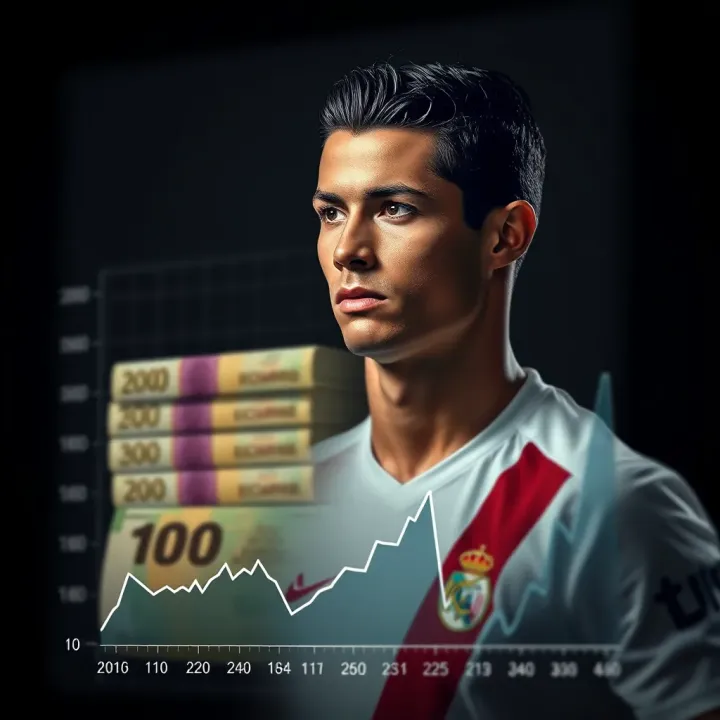
Football Salary: Ronaldo's annual salary, which exceeds $70 million in recent years, comes chiefly from his club contracts. For example, during his time with Manchester United and Al Nassr, his paycheck included base salary and performance bonuses.
Endorsements: Brands like Nike, Herbalife, and Clear sponsor Ronaldo, bringing him around $55 million a year. These deals vary with advertising campaigns and product launches.
Investments and Other Ventures: Ronaldo has stakes in hotels, fitness centers, and his CR7 brand, adding several million dollars annually.
The exchange rate between the U.S. dollar and the Colombian peso fluctuates daily, directly affecting the COP value of Ronaldo’s earnings. For instance, at an exchange rate of 4,000 COP per $1, Ronaldo's $70 million salary translates to about 280 billion COP.
Given Colombia's inflation and economic shifts, the peso's rate can vary, which investors should track closely to understand changes in Ronaldo's income value in local currency.
Pro Tip: Financial analysts focusing on cross-currency earnings should regularly update exchange rates for accurate valuation.
Understanding Ronaldo's income in Colombian pesos can assist:
Investors gauging currency risk in international athlete endorsements.
Financial advisors strategizing asset allocation amid exchange rate volatility.
Students and analysts studying global wealth impact on emerging markets.
Tracking Ronaldo's earnings through the lens of Colombian pesos gives a real-world example of currency conversion's effects on high-profile income streams.
For anyone tracking Cristiano Ronaldo's earnings, converting his football salaries into Colombian pesos (COP) paints a clearer picture for local fans and analysts alike. It helps bridge the gap between his high-profile contracts in foreign currencies and the everyday economic reality in Colombia. By examining these figures, traders and financial observers can assess how currency fluctuations influence Ronaldo's true income value when viewed from a Colombian perspective.
Ronaldo's move to Al Nassr in Saudi Arabia marked a new chapter in his career, with a contract reportedly worth $200 million annually including commercial deals, his base salary alone is estimated to be around $75 million per year. When converted to Colombian pesos, using an exchange rate of roughly 4,800 COP to 1 USD, this translates to approximately 360 billion COP each year. This huge figure not only highlights the financial muscle of Middle Eastern clubs but also provides Colombian investors insight into the scale of elite footballer salaries in global terms.
Before joining Al Nassr, Ronaldo earned substantial salaries at clubs like Juventus, Real Madrid, and Manchester United. At Real Madrid, for instance, his base salary was near $70 million annually, which converts to roughly 336 billion COP. Understanding these past contracts helps Colombian analysts compare salary growth trends over time and gauge the evolution of footballer earnings on the big stage, relative to global economic shifts and currency strength.
Breaking down Ronaldo’s annual income into monthly or weekly amounts in COP makes his earnings more tangible. For example, his estimated Al Nassr salary of 360 billion COP annually equals about 30 billion COP monthly or nearly 1 billion COP weekly. This granular look is especially useful for readers aiming to grasp how these earnings would resonate in the Colombian market, helping assess luxury spending potential or investment capacity.
Ronaldo’s contracts typically include bonuses that reward hitting specific milestones like goals scored. These incentives can add millions of dollars extra during a season. Converted to pesos, a single goal-scoring bonus might be worth a few billion COP, illustrating the luxury of performance-based pay in top-tier football.
Success on the field often brings financial rewards. Winning major titles like league championships or domestic cups typically triggers substantial monetary bonuses. For Colombian readers, this emphasizes how on-field achievements directly boost Ronaldo’s income, apart from base salaries.

The Champions League remains one of football's most lucrative competitions. Ronaldo has earned notable bonuses linked to match wins, progression through rounds, and individual accolades there. In Colombian pesos, these rewards can total tens of billions COP, highlighting the added value tournaments contribute to his overall earnings.
Understanding these different salary components in Colombian pesos sheds light on the financial dynamics of football at the highest level and how exchange rates impact the perceived wealth of global stars like Ronaldo.
The bottom line: converting Ronaldo’s football salaries and bonuses into Colombian pesos helps traders, investors, and fans grasp the monetary scale of his earnings relative to Colombia’s economy and currency.
Cristiano Ronaldo's income from sponsorships and endorsements contributes a significant part of his overall earnings, far beyond his football club salaries. This area provides a steady and often skyrocketing revenue stream, especially given Ronaldo's global appeal and personal brand. For investors and financial analysts, understanding this income sheds light on how top athletes diversify their wealth and sustain financial growth outside their sports careers.
Ronaldo has long partnered with major global brands like Nike, Clear shampoo, and Herbalife. These partnerships are more than just face-value deals; they involve exclusive campaigns, product endorsements, and sometimes global ambassador roles. Nike, for example, has paid Ronaldo tens of millions per year to promote their soccer cleats and apparel worldwide. Such deals not only boost Ronaldo's income but also keep his name and image prevalent across diverse markets.
Given the global reach of these brands, Ronaldo's endorsement contracts are typically paid in dollars or euros. When converted to Colombian pesos, these deals significantly spike his earnings in the local currency. With the current average exchange rates fluctuating around 4,800-5,000 COP per US dollar, a $50 million annual endorsement deal translates to roughly 240 to 250 billion Colombian pesos.
Ronaldo has capitalized on his personal brand through CR7, a line that includes clothing, underwear, footwear, and even fragrances. This business arm adds a layer of direct-to-consumer revenue, differentiating his income streams from mere endorsements. For traders and investors, seeing a sports figure maintain ownership and stakes in merchandise lines signals savvy brand management and long-term wealth-building strategies.
Collaborations with other brands often include limited edition releases, like special soccer boots or watches, which sell at premium prices due to their exclusivity and Ronaldo's name. These collaborations keep the brand fresh and attract niche market spending. Such deals can sometimes push product launches to generate tens of millions of dollars globally, boosting Ronaldo’s income in Colombian pesos far beyond his football salary.
Sponsorships and endorsements have become a cornerstone of Ronaldo's wealth, reflecting how modern athletes can maximize their brand presence beyond the field, especially when currency exchanges amplify their foreign earnings into significant local sums.
In short, Ronaldo’s endorsement and personal branding efforts add up to hundreds of billions of Colombian pesos annually, reinforcing his status as one of the highest-earning athletes worldwide.
Cristiano Ronaldo’s earnings go well beyond the football field, with investments and business ventures playing a key role. These ventures not only diversify his income but also offer long-term financial stability. For traders and financial analysts, understanding how stars like Ronaldo build wealth gives valuable insight into leveraging celebrity status for smart investing.
Ronaldo owns several luxury properties worldwide, from lavish mansions in Madrid to high-end apartments in Lisbon. These properties aren’t just impressive homes; they’re also strategic investments appreciating steadily over time. Real estate investment offers Ronaldo a solid asset base that cushions income fluctuations from football and endorsements.
Aside from real estate, Ronaldo has stakes in hospitality ventures, including a hotel chain named Pestana CR7. These hotels target tourists seeking a blend of luxury and sports culture, capitalizing on Ronaldo’s global brand. Hospitality investments provide steady cash flow and expand his footprint beyond football, adding a reliable revenue stream.
Ronaldo has shown interest in the tech scene, including endorsing and investing in startups focused on sports tech and health apps. These decisions reflect a keen eye for innovation and potential high returns. For financial advisors, these ventures demonstrate how blending brand power with emerging tech creates new income channels.
Besides tech, Ronaldo owns several franchises, such as gyms and fitness centers under his name. These enterprises play on the fitness craze while directly associating with his public image. By controlling these businesses, Ronaldo ensures consistent income that isn’t tied solely to his athletic career.
Investments and business ventures provide Cristiano Ronaldo with income layers that go beyond typical sports earnings, offering insights into financial diversification for high-net-worth individuals.
Together, these ventures highlight how Ronaldo combines personal brand strength with smart investment choices to build a multi-dimensional income portfolio, important for anyone studying wealth management or investment strategies.
Currency exchange rates play a significant role in determining the value of Cristiano Ronaldo's earnings when converted to Colombian pesos (COP). Since his contracts and endorsements are usually paid in U.S. dollars or euros, changes in exchange rates directly affect how much his income appears in COP. For traders and financial analysts, understanding these dynamics offers insight into cross-currency income valuation and the real purchasing power for Colombian fans following his earnings.
Over the past year, the USD to COP exchange rate has experienced notable fluctuations. For example, in early 2023, the rate hovered around 4,000 COP per USD but has risen to about 4,700 COP in mid-2024, reflecting economic pressures such as inflation and changes in U.S. interest rates. This kind of variation means that Ronaldo's dollar-based salary, when converted, can differ by several million Colombian pesos simply because of currency movements.
Such swings are not uncommon but are crucial for stakeholders who want to calculate Ronaldo's precise earning power in Colombia. You can see the practical effect when a $1 million bonus that equated to 4 billion COP last year might now be worth nearly 4.7 billion COP, depending on the timing of the currency conversion.
These exchange rate movements also impact how sponsorship and endorsement deals convert into Colombian pesos. Since many of Ronaldo’s endorsements are paid in dollars or euros, a weaker Colombian peso against these currencies inflates the reported peso income. Conversely, a stronger peso would bring those numbers down, impacting public perception and financial reporting in Colombia.
Currency appreciation or depreciation has a real influence on how Ronaldo's earnings are viewed by Colombian fans. If the peso depreciates, his salary figures expressed in local currency seem larger, which may increase his perceived wealth and influence in the Colombian market. On the flip side, if the Colombian peso strengthens, his earnings in COP terms shrink, making his income look less impressive.
This dynamic shapes fan engagement and even local sponsor interest. For instance, during a depreciation phase, brands might emphasize their association with Ronaldo, highlighting the sizeable peso value of his contracts to boost marketing credibility.
From an economic viewpoint, fluctuations in buying power also matter. If the peso loses value, everyday goods become costlier for Colombians, so even a high local-currency figure for Ronaldo might feel less relatable. In contrast, a stable or appreciating peso improves buying power and can make Ronaldo’s converted income seem more substantial in day-to-day terms.
For Colombian investors and analysts, tracking exchange rate trends is essential to grasp how global earnings impact local currency values and audience perceptions. Ronaldo’s income acts as a practical example of international finance effects on personal earnings when transferred across currencies.
In summary: the USD to COP exchange rate is a key factor influencing Ronaldo's income value in Colombia. Both salary conversions and endorsement payouts fluctuate with these rates, affecting not only numerical figures but the broader economic context and fan views. Keeping an eye on these trends helps make sense of his financial impact in Colombian terms.
Understanding Cristiano Ronaldo's income in Colombian pesos offers a striking perspective on income disparity and economic dynamics in Colombia. It places the earnings of a global sports icon alongside the nation's average salary, shedding light on how massive international contracts reflect or contrast with local economic realities.
Average monthly and yearly salaries in Colombia vary widely by region and sector, but as of recent data, the average monthly salary sits around COP 1.5 million to 2 million (approximately $400-$530). This amounts to roughly COP 18 million to 24 million annually. For many Colombians, this income supports basic living needs, often requiring careful budgeting for essentials like housing, healthcare, and education. The informal economy, prevalent in Colombia, also affects how wages are reported and earned.
Ronaldo's earnings versus Colombian averages are astronomically higher. Even Ronaldo’s salary from Al Nassr, converted to Colombian pesos, amounts to hundreds of billions annually. For example, if he earns about $200 million a year including endorsements, that's roughly COP 800 billion. Comparing that with the average annual Colombian income reveals a gap so large it's almost hard to grasp – Ronaldo's annual income could pay the average salary of tens of thousands of Colombians combined.
This sharp contrast underscores the vast inequality in global sports incomes versus local earnings, serving as a reminder of how international finance, endorsements, and football economics play out in real-world terms for a Colombian audience.
Influence on aspiring athletes is significant. Seeing Ronaldo's monumental earnings translated into local currency can both inspire and intimidate young footballers dreaming of professional careers. It highlights what's possible at the highest levels but also underscores the hurdles of reaching that world-class status. For many, the figure acts as a motivator to pursue football seriously or seek sponsorship opportunities beyond local clubs.
On the other hand, it can push local institutions to rethink investing in youth programs, infrastructure, and player development, aiming to bridge gaps between local talent and global standards.
Socioeconomic impact on football fans is multifaceted. Fans who follow international football often compare local player earnings or league investments with stars like Ronaldo, sparking debates about the viability and appeal of local leagues. Ronaldo’s income also influences merchandise sales, broadcasting rights, and sponsorship deals in Colombia, affecting the broader football culture economically.
For many Colombian fans, Ronaldo’s income, when seen through the lens of local currency, symbolizes both the glamour of global sports and the economic chasms that exist between star athletes and typical workers.
This contrast may amplify fan enthusiasm but could also breed frustration in communities where economic hardship is common. Yet, it also encourages a greater appreciation for the international scale of football as a global business intertwined with local economic realities.
By placing Ronaldo's earnings in Colombia’s economic context, traders, investors, and analysts gain a clearer sense of how global sports economics resonate locally, informing conversations about income inequality, athlete development, and sports marketing strategies within the country.
🌎 El Sistema Nacional de Gestión de Riesgo de Desastres en Colombia coordina acciones para proteger comunidades, organizar respuestas y fortalecer territorios frente a emergencias.

📈 Aprende qué es el análisis técnico, cómo interpretar sus gráficos y aplicar sus herramientas para tomar mejores decisiones financieras en Colombia y mercados globales.

📉 Aprende qué es el análisis técnico y cómo usar gráficos, precios y volumen para mejorar tus decisiones en los mercados financieros de forma práctica.

🌎 Aprende estrategias y buenas prácticas para la gestión de riesgo ante desastres naturales: evaluación, planificación, educación y acción comunitaria efectiva.
Basado en 9 reseñas