

Sistema Nacional de Gestión de Riesgo en Colombia
🌎 El Sistema Nacional de Gestión de Riesgo de Desastres en Colombia coordina acciones para proteger comunidades, organizar respuestas y fortalecer territorios frente a emergencias.
Editado por
María Dolores Ruiz
Gold prices change constantly, making it tricky to pin down exactly what you'll pay per gram at any given moment. The gold price per gram depends heavily on the market price, which shifts throughout the day based on supply, demand, and global economic events.
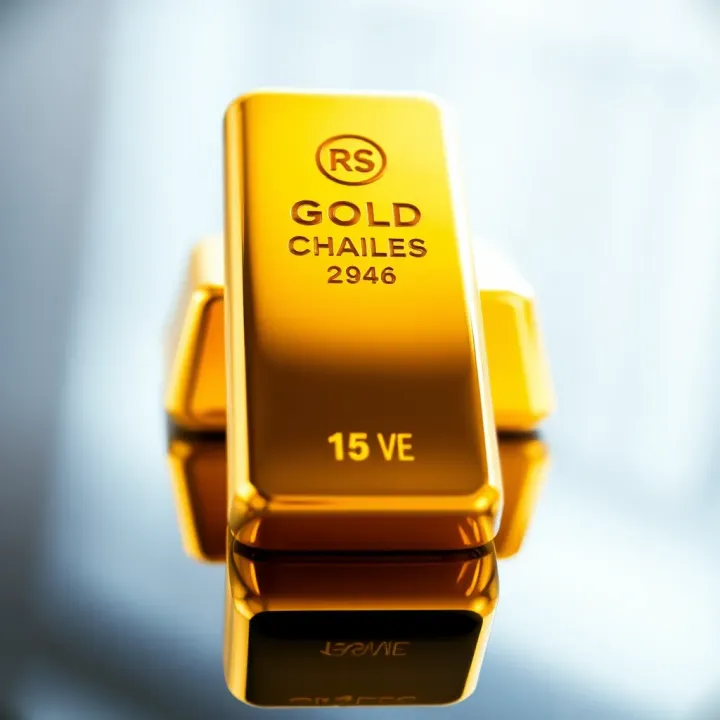
Global Economy and Inflation: When the economy feels unstable or inflation looks high, investors often flock to gold as a safe store of value, pushing prices up.
U.S. Dollar Strength: Gold usually moves inversely to the U.S. dollar. If the dollar weakens, gold prices typically rise because it becomes cheaper for holders of other currencies.
Central Bank Policies: Actions like interest rate changes by the Federal Reserve impact gold’s price. Higher rates often lower gold prices as bonds and savings accounts yield better returns.
Geopolitical Events: Wars, trade disputes, and political uncertainty drive investors to gold, boosting its price per gram.
To stay updated, professional traders and investors typically monitor:
Real-time market platforms like Kitco or Bloomberg
Financial news outlets such as CNBC or Reuters
Commodity exchanges’ spot price listings
Remember, the price you see is usually for pure gold, or 24-karat. Jewelry and coins often contain alloys, so their price per gram may differ.
Always check the current spot price per gram before making a purchase or sale.
Factor in premiums or dealer fees—these can add 3%-7% over the base market price for physical gold.
For investment-grade gold, bars and coins with trusted certifications offer liquidity and value retention.
If buying jewelry, understand that craftsmanship and design can add to the price beyond just the gold content.
Pro Tip: Watch how the gold price per gram reacts around economic reports like U.S. inflation numbers or Fed announcements. These are often the moments when prices move fastest.
Bottom line, understanding today’s gold price per gram means following the broader market forces and knowing where to find trustworthy, up-to-date info. With these basics, you’ll be better prepared whether you're investing or just buying that shiny piece of jewelry.
Understanding how the price of gold per gram is set is essential for anyone involved in trading, investing, or simply buying gold. The price isn't pulled from thin air; it reflects a mix of complex global market forces and economic factors. Knowing these elements helps you make smarter decisions whether you're tracking market trends or planning a purchase.
Gold prices get their official benchmarks primarily from international exchanges like the London Bullion Market Association (LBMA) and COMEX in New York. These platforms facilitate large-scale trading where buyers and sellers agree on price based on current demand and supply. For example, the LBMA Gold Price, set twice daily, often sets the tone for global gold values and trickles down to how retailers price gold by the gram.
These exchanges provide transparency and liquidity, making it easier for investors and jewelers alike to know a reliable market price. When the LBMA price ticks up, gold retailers in the U.S. and around the world usually adjust their pricing accordingly, illustrating the practical connection.
Gold isn’t endlessly mined, so supply constraints can push prices higher. For instance, if a major gold mine faces operational issues or strikes, the reduced output tightens supply. On the flip side, demand spikes—like during periods of economic uncertainty when investors flock to gold as a safety net—push prices upward.
Take the 2020 pandemic as an example: gold demand surged as markets wobbled, boosting prices. Understanding these supply-demand shifts can help traders anticipate price moves rather than reacting after the fact.
Political unrest, wars, or trade disputes often prompt investors to seek the stability of gold, driving prices up. For instance, tensions between major economies trigger market jitters, increasing gold’s appeal.
A concrete case was the U.S.-China trade tensions in 2019, when gold prices rose notably as investors hedged against stock market risks. Such events act like triggers, causing swift shifts in gold’s per gram price, which you’ll want to keep an eye on if you’re dealing with short-term trading.
Since gold is priced mainly in U.S. dollars globally, a strong dollar typically pulls gold prices down, while a weaker dollar pushes them up. If you imagine the dollar as a seesaw with gold on the other side, when the dollar gains strength, gold becomes more expensive for holders of other currencies.
For example, when the Federal Reserve signals interest rate hikes, the dollar often strengthens, making gold less attractive and lowering its price per gram.
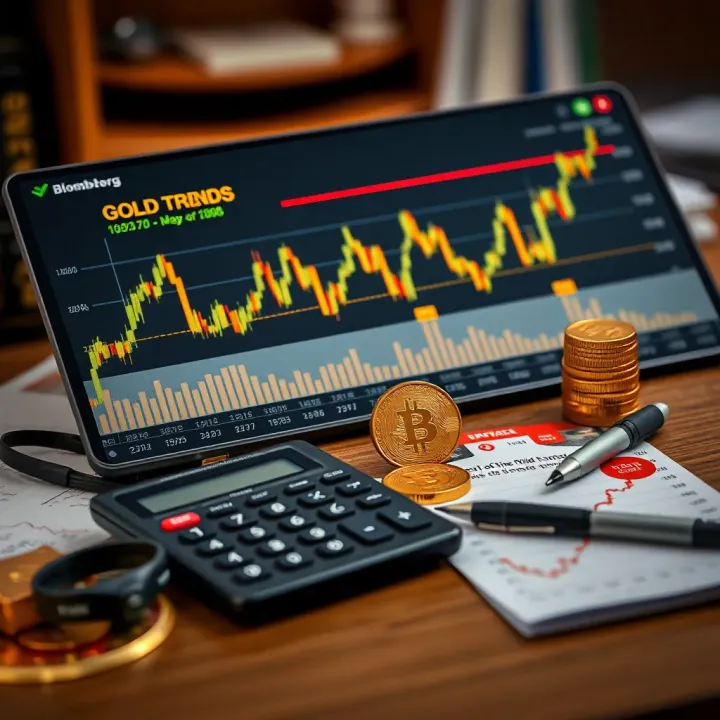
Gold often acts as a safe store of value during inflationary periods. When inflation rises, real interest rates (interest rates minus inflation) tend to drop. Lower real interest rates make non-yielding assets like gold more appealing, lifting their prices.
In contrast, when central banks like the Fed raise interest rates aggressively, the opportunity cost of holding gold increases because investors can get better returns elsewhere, often dragging gold prices down. Watching federal rate decisions is a smart move for anyone tracking gold pricing.
Several economic reports influence gold prices. The Consumer Price Index (CPI) signals inflation trends, while employment numbers (like the monthly Non-Farm Payrolls) hint at economic strength or weakness. Strong economic data generally strengthens the dollar, pushing gold prices lower.
Conversely, disappointing indicators often drive investors toward gold. For example, a surprise rise in unemployment might prompt a gold rally as confidence in the economy fades. For traders and investors, keeping tabs on these releases can provide early clues on gold’s price direction.
The bottom line is that the gold price per gram reflects a cocktail of international market dynamics and economic factors. By understanding these influences, you can better anticipate price movements and make more informed decisions.
Key points to watch:
Major gold exchange benchmarks like LBMA and COMEX
Global supply interruptions and demand surges
Geopolitical risks that affect investor sentiment
The U.S. dollar’s strength or weakness
Inflation trends and interest rate policies
Critical economic data releases
Knowing how these elements intertwine gives you an edge whether you’re trading gold or planning long-term investments.
Knowing where to find reliable, up-to-date gold prices is key for traders, investors, and financial analysts. Gold prices can shift quickly due to market changes and global events. Relying on accurate data helps you make solid decisions, whether you’re buying physical gold, monitoring investments, or advising clients.
Official market websites offer the most authentic pricing information. The London Bullion Market Association (LBMA) and the New York Mercantile Exchange (NYMEX) provide live rates based on actual market activity. These sites update prices in near real-time and serve as a benchmark for global gold trading. For example, if you check LBMA's hourly gold price feed, you’ll see the latest spot price used worldwide, which influences forward contracts and futures trading.
Financial news platforms like Bloomberg, CNBC, and Reuters also report gold prices, often adding context on market trends and related economic factors. Watching these sources lets you track how news events affect prices and gives insights into market sentiment. For instance, a sudden geopolitical crisis reported on CNBC can lead to a quick jump in gold prices, reflecting its status as a safe-haven asset.
Mobile apps for real-time updates are handy for anyone needing price info on the go. Apps like Kitco, Gold Price Live, and Investing.com provide instant alerts and customized tracking of gold prices per gram or ounce. These apps often feature charts and tools for technical analysis, making it easier to spot price movements during trading hours or when markets close abroad. Imagine a trader getting a price alert right before a major market shift—that kind of immediacy can make a big difference.
Understanding premiums and fees is essential since local gold prices don’t always match the global spot price. Dealers add premiums to cover costs like refining, shipping, and operating expenses. For example, a gold coin or bar purchased in a small town might carry a higher premium than in a big city due to smaller demand and less competition.
How location affects pricing goes beyond premiums. Taxes, import duties, and local regulations all impact the final price. In some states, sales tax applies to gold products, whereas others exempt them, creating noticeable differences in cost. For example, buying gold in Delaware might be cheaper than in New York because of tax policies.
Comparing retail and wholesale prices shows another pricing layer. Retail buyers often face higher rates due to smaller purchase volumes and overhead costs. Wholesale prices, available to dealers or bulk buyers, sit closer to the spot price. Understanding this helps investors evaluate if they're paying a fair price or facing unnecessary markups. Say a retailer sells a gram of gold at $60 while the wholesale price is $58; knowing this spread guides negotiation or timing decisions.
Tracking accurate and current gold prices that consider all these factors makes your gold dealings smarter and more efficient. Never underestimate the impact of local elements and trusted sources on your bottom line.
Gold prices don’t stay put through the day. Various factors nudge the price per gram, often causing sharp changes that traders, investors, and buyers must keep an eye on. Understanding these daily influences helps you time purchases better and interpret market movements with real insight.
Gold trading time zones play a crucial role in how prices shift. Gold is traded globally, with major exchanges in New York, London, and Hong Kong operating in staggered time zones. For example, New York markets might show activity in the afternoon while Asian markets are closed. These overlapping hours can spark higher trading volumes, often leading to more noticeable price swings. This matters because, say, if you’re watching prices from the West Coast, the most active window could be late morning to early afternoon, tied to New York’s market hours.
Daily price fluctuations occur as traders react to fresh info and changing market sentiment. Prices might spike quickly when unexpected data drops, like a sudden announcement about interest rates, or gradually shift when ongoing trends drive buying or selling pressure. A practical tip here: if you’re looking for the best price to buy gold by the gram, monitoring intraday changes during active market hours can reveal short windows of opportunity.
On the flip side, weekend and holiday effects often cause gold prices to pause or move differently since most exchanges close. However, because gold trades OTC (over-the-counter) and futures markets run almost 24/7, prices can still adjust based on global events unattended during market downtime. For instance, a political crisis erupting on a Saturday might push gold prices up before the market opens Monday morning, catching many traders off guard.
Political instability naturally sends gold prices climbing as investors seek safety. When you hear about unrest in oil-rich regions or tensions between major countries, gold usually shines as a safe-haven asset. Take the 2022 Russia-Ukraine conflict; gold’s per gram price jumped as uncertainty spiked, temporarily overshadowing other economic data.
Economic reports and announcements like the U.S. jobs report, inflation numbers, or Federal Reserve decisions directly affect gold pricing. Positive economic growth might lower gold’s appeal since investors chase higher-yield assets. Conversely, disappointing economic data often results in price rallies. Traders who check the economic calendar can anticipate these moves and react accordingly.
Then there are natural disasters, which can impact gold prices temporarily. A major hurricane disrupting supply chains or causing widespread economic setbacks might boost gold demand. For example, the severe hurricanes hitting the Gulf Coast occasionally cause short-term price jumps due to broader market uncertainty and risk-off sentiments.
In essence, daily gold price shifts reflect a complex dance of market hours, trader reactions, and external shocks. Staying updated on these factors helps anyone involved with gold make smarter moves and avoid surprises.
Remember, the global trading clock means prices never stay still for long.
Daily fluctuations offer windows to spot bargains or avoid spikes.
Watch political and natural events closely; they can turn markets overnight.
All these points highlight why mastering the daily forces behind gold’s price per gram is essential for traders, investors, and advisers aiming to navigate the gold market confidently.
Buying gold isn’t simply about grabbing whatever’s cheapest per gram. There are multiple factors to keep an eye on to ensure you get the best deal and avoid unnecessary losses. Below, we’ll cover practical tips that help you time your purchase smartly, and evaluate important elements beyond just the price point.
Recognizing price trends is key to buying gold wisely. Prices rarely move in a straight line—they ebb and flow based on market conditions. Look for patterns over weeks or months; for instance, if gold prices have been slipping steadily, it might pay off to wait a bit longer before buying. Conversely, if there’s a sudden spike due to a geopolitical event, paying a premium could backfire soon after if prices fall back. Using simple chart tools available on financial news sites can give you a snapshot of recent trends to guide your timing.
Seasonal patterns also play a subtle but real role in gold prices. For example, demand typically rises around major holidays like Christmas or during wedding seasons, pushing prices up. Buying just before these peak times can save you some money. Conversely, prices sometimes dip in early spring when demand cools off. Being aware of these natural demand cycles helps you avoid paying extra.
Price alerts can make life easier, especially if you don’t follow gold markets constantly. Many apps and websites allow you to set notifications for specific price points. When gold drops to your target price, you get a heads-up to strike. This saves you from constantly watching the market and helps you act decisively when the window opens.
Gold purity makes a big difference in value. Not all gold is created equal; 24-karat gold is pure gold, while 18-karat gold contains 75% gold with other metals mixed in. Jewelry marked 14-karat or below will have even less gold content. The price per gram will be different depending on purity, so always check the karat rating. For example, paying $50 per gram for 24-karat gold is different from paying $50 per gram for 14-karat gold — the actual gold content varies significantly.
Dealer reputation matters more than many realize. Some sellers might try to add hidden premiums or sell lower-purity items without clear disclosure. Buying from well-known dealers or authorized retailers reduces risk. Checking reviews, understanding return policies, and looking for certifications like those from the Responsible Jewelry Council can give you peace of mind.
Lastly, additional costs and taxes can sneak up on you. States may charge sales tax on gold purchases, often around 6-10%. Shipping fees, insurance, and even dealer commissions also add to the price. For example, a $2,000 gold bar might come with a $50 shipping charge and a 5% sales tax, pushing your total well beyond the base price. Calculate these extras upfront to avoid surprises and budget accordingly.
Buying gold smartly means looking beyond just the number on the price tag. Timing, purity, reputation, and hidden costs all influence whether you truly get a good deal. Paying attention to these details protects your investment and can ultimately save you money.
With these tips, you’ll be better equipped to make informed decisions in the fluctuating world of gold pricing. That’s the bottom line for savvy buyers and traders alike.
Gold price per gram isn't just a number to check before buying jewelry or coins—it plays a significant part in how investors manage risk and plan their finances. For traders and financial advisors, understanding gold's behavior helps balance portfolios and anticipate market shifts. Here's a practical look at why gold matters in investments and personal money management.
Historically, gold has acted as a solid hedge against inflation. During periods when currency loses value—like the 1970s inflation surge in the U.S.—gold prices generally rise, preserving purchasing power. For example, if the dollar weakens, gold tends to climb because it holds intrinsic value independent of any government currency.
This trend isn’t perfect, though. Gold can stay flat or even drop in the short term, but over long stretches, it usually manages to outpace inflation. Wise investors use gold to protect their wealth during unpredictable economic times, giving their portfolios a safety net when traditional assets like stocks or bonds falter.
Comparing gold to other assets shows why it remains a unique investment. Unlike stocks, gold doesn’t generate dividends or interest. However, it’s less volatile during market crashes, such as in 2008, when gold prices climbed while equities plummeted. Real estate, while tangible like gold, lacks the ease of liquidity and can be affected heavily by local market conditions.
Diversifying investment portfolios with gold reduces overall risk. Since gold often moves independently from stocks and bonds, having even a small portion—generally 5-10%—in gold can soften losses during downturns. For example, an investor facing a stock market shakeout might see some gains or stability from their gold holdings, cushioning the impact.
When planning for retirement, gold can offer balance and protection. People worried about inflation eroding their savings over decades often include gold or gold-backed assets in IRAs or other retirement accounts. This strategy helps maintain the real value of their nest egg, especially if interest rates remain low.
Liquidity and resale value are key considerations. Gold is widely recognized worldwide, and physical gold or ETFs can be converted into cash relatively quickly. This feature is crucial if you need emergency funds or want to rebalance your portfolio without delay. Just remember, resale prices factor in market demand and dealer premiums, so it's smart to understand current spreads before selling.
Bottom line: Knowing how gold prices affect investments and personal finance arms you with a reliable tool for risk management and long-term planning. Whether bouncing back from inflation or guarding against market setbacks, gold remains a practical asset to consider.
In your financial strategy, keep an eye on gold price trends and consider how it fits into your broader goals. Smart planning and timing help maximize the benefits gold can bring to your portfolio and personal finances.
🌎 El Sistema Nacional de Gestión de Riesgo de Desastres en Colombia coordina acciones para proteger comunidades, organizar respuestas y fortalecer territorios frente a emergencias.

🌍 Aprende sobre gestión de riesgo de desastres: estrategias para planificar, prevenir, mitigar y responder, destacando colaboración comunitaria y adaptación local.

🌎 Aprende estrategias y buenas prácticas para la gestión de riesgo ante desastres naturales: evaluación, planificación, educación y acción comunitaria efectiva.

📚✏️ Explora cómo los dibujos facilitan la gestión y comunicación de riesgos en escuelas, involucrando a estudiantes, docentes y familias en seguridad escolar.
Basado en 9 reseñas