

Sistema Nacional de Gestión de Riesgo en Colombia
🌎 El Sistema Nacional de Gestión de Riesgo de Desastres en Colombia coordina acciones para proteger comunidades, organizar respuestas y fortalecer territorios frente a emergencias.
Editado por
Ana Paula Gil
Since 18K gold is 75% pure, its price per gram will naturally sit below that of 24K gold, which is nearly pure at 99.9%. For example, if 24K gold trades at $60 per gram, 18K gold typically costs around $45, reflecting the proportion of actual gold content.
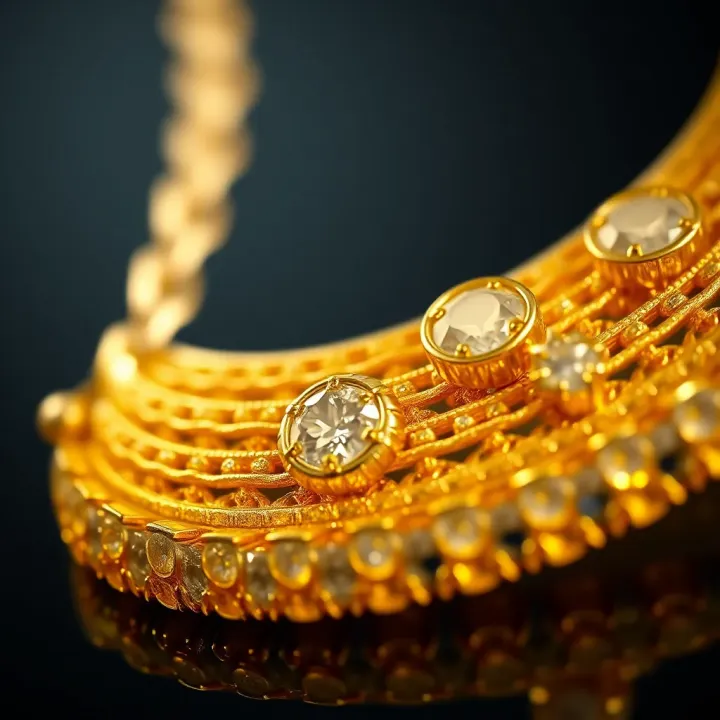
Gold prices change daily based on factors like global economics, inflation, and currency strength. Traders and investors watch commodities markets closely, as a slight shift in the U.S. dollar or geopolitical events can push gold prices up or down in minutes.
Local demand, taxes, and import duties can cause the price of 18K gold per gram to vary widely between states and countries. For instance, buying 18K gold jewelry in New York might run higher than in Texas due to differences in sales tax and market competition.
Look past the sticker price: the design, craftsmanship, and brand reputation impact cost too. A plain 18K gold chain might be cheaper per gram than a designer piece with intricate detailing, even if the gold content is similar.
Tip: Always ask for certification showing the exact karat and weight before buying to ensure you're paying for actual gold content, not just the item’s aesthetics.
18K gold contains 75% pure gold; calculate cost based on this fraction of the current gold price.
Market trends and currency changes cause daily price shifts.
Local taxes and duties add to or reduce the final cost.
Premiums on jewelry pieces vary with design, craftsmanship, and brand.
Whether you’re trading commodities, advising clients, or simply buying jewelry, knowing these fundamentals helps you make informed decisions and spot a fair deal on 18-karat gold per gram.
Knowing what shapes the price of 18-karat gold per gram helps anyone dealing with gold—from traders and investors to students studying finance—grasp why prices swing and how to spot fair deals. The value isn't just about the shiny look; it really boils down to specific factors like purity, market trends, and currency shifts.
Karat measures how pure gold is in a piece. It's like counting how many out of 24 parts are pure gold. So, 18-karat gold means 18 parts are pure gold, and 6 parts are other metals. That ratio directly affects its value; more pure gold usually equals a higher price.
This means 18K gold sits between 14K and 24K. Unlike 24K that's nearly pure but too soft for daily wear, 18K balances purity and durability better. Plus, it holds more gold value than 14K but costs less than 24K. So, when you're comparing gold jewelry or investments, knowing these differences helps avoid paying for less pure gold thinking it’s worth more.
Global demand and supply largely steer gold’s market price. For example, when countries or industries ramp up gold use, or central banks add gold to reserves, demand spikes. But mining output, recycling rates, and geopolitical tensions also affect availability. In 2023, for example, tensions in major economies tightened supply chains and bumped gold prices briefly.
Economic indicators like inflation rates, interest rates, and government debt influence gold’s appeal. When inflation rises, folks and investors often look to gold as a hedge, pushing prices up. Conversely, if the Federal Reserve hikes interest rates aggressively, gold might lose charm because bonds yield more, potentially pulling prices down.
Currency swings, especially the US dollar’s strength, have a direct impact too. Gold trades mostly in dollars, so if the dollar weakens against other currencies, gold priced in dollars gets cheaper for international buyers, hiking demand and prices. Conversely, a strong dollar can weigh prices down. For instance, dollar weakness in early 2024 led to some uptick in gold prices.
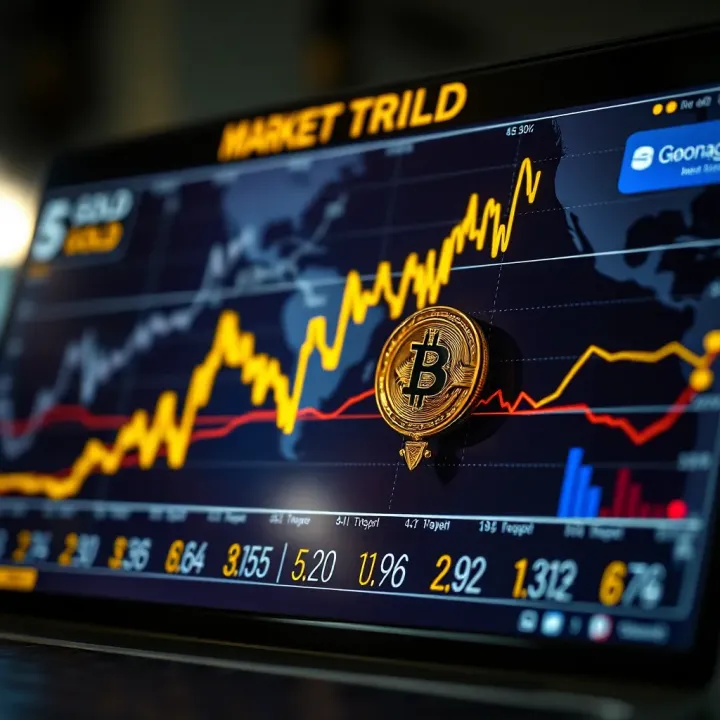
When you understand these factors together—purity, market demand, the economic backdrop, and currency trends—you get a clearer picture of what drives the price of 18K gold. This insight is key whether you're buying gold jewelry or making investment calls.
Knowing how to calculate the value of 18-karat (18K) gold per gram is essential if you're dealing with jewelry, investments, or market analysis. It helps you separate the actual gold worth from additional costs, giving you a clearer understanding of pricing in the market. Whether you're a trader or a student studying finance, this knowledge allows you to evaluate offers, make better purchasing decisions, and assess gold's role in a portfolio.
Accessing reliable gold spot price sources: The global spot price of gold is the starting point for calculating any gold item's value. Spot prices reflect gold’s current trading value per ounce or gram and fluctuate throughout the day based on supply and demand, geopolitical events, and economic trends. Trusted sources like the London Bullion Market Association (LBMA), Kitco, and well-known financial news outlets provide real-time updates on spot prices. For example, if the spot price is $60 per gram, this number anchors your calculation.
Adjusting prices based on purity and weight: Because 18K gold contains only 75% pure gold (18 out of 24 parts), you must adjust the price accordingly. Multiply the spot price per gram by 0.75 to reflect the pure gold value in 18K. So, if gold is $60 per gram, 18K gold's pure gold content is worth $45 per gram ($60 x 0.75). Next, multiply this by the item's weight in grams to get the raw gold value. For instance, a 10-gram 18K gold piece would have a base gold value of $450. The key here is separating the pure metal worth from other factors like craftsmanship or branding.
Manufacturing and design costs for jewelry: When buying 18K gold jewelry, the price is more than just the gold content. Skilled labor, design complexity, and brand value add to the cost. A custom-made necklace with intricate detailing can double or triple the raw metal price. These costs aren’t standardized and vary widely between jewelers. For example, a simple 18K gold band might carry a manufacturing premium of 10-20%, while a luxury designer's piece can push premiums much higher.
Dealer premiums and retail markups: Dealers and retailers add premiums to cover overhead, shipping, and profit margins. This markup depends on where you buy gold—online dealers often offer lower premiums than brick-and-mortar stores. Premiums on gold bars or coins typically range from 2-5%, but for fine jewelry, premiums can jump past 30%. If you purchase a piece with a calculated raw gold value of $500, you might end up paying $650 or more once premiums and markups are included.
Bottom line: Calculating the 18K gold value per gram starts with the correct spot price and purity adjustment but shouldn’t stop there. Add in design and dealer costs to get a realistic purchase price. This approach helps you avoid overpaying and spot better deals in the market.
When deciding on gold for investment or jewelry, understanding how 18-karat compares to other popular karat grades is key. It affects not only the look and feel but also the price and how well your gold holds its value over time. For financial analysts and investors, these differences can help make smarter choices based on goals and market conditions.
14-karat gold contains about 58.5% pure gold, while 18-karat has 75%, and 24-karat is nearly 100% pure. This purity affects both color and flexibility. 14K gold often looks slightly paler or has more of a mixed metal hue because of the higher presence of alloy metals. 18K gold is richer and warmer in color, making it popular for fine jewelry where both appearance and durability matter. Pure 24K gold shines with a deep yellow tone but tends to be soft and prone to scratching, especially for everyday wear.
Because 18K gold has more purity than 14K, its price per gram is usually higher. However, 24K carries the highest price, reflecting its purity and demand in investment circles like bullion coins or bars. That said, 14K gold can hold up better for regular wear due to hardness, which sometimes makes it more practical. When it comes to value retention, 24K gold typically maintains value best since it’s the purest, but jewelry sales price often includes craftsmanship and brand premiums. Knowing these patterns helps investors weigh short-term gains against long-term hold.
For folks buying jewelry to wear daily, durability is a serious factor. 14K gold’s higher alloy content makes it tougher and more scratch-resistant, meaning rings and bracelets last longer without looking worn. On the other hand, 18K strikes a balance—still pure enough for that rich gold glow but stronger than 24K. Pure 24K gold feels softer and can get dinged up easily, so it’s generally reserved for pieces that won’t see rough everyday use.
If you’re investing in gold primarily for value, 24K gold presents a straightforward choice because it’s the currency-standard purity. Coins, bars, and bullion are mostly 24K. But if your interest is in fashion or combining investment with style, 18K gold offers a sweet spot. It caters to trend-conscious buyers who want gold’s luster and quality without the fragility of pure gold. Meanwhile, 14K appeals to those valuing practicality and budget, especially with pieces that might face daily wear and tear.
The bottom line is matching the karat grade to your intended use—whether it’s for pure investment, daily wear, or stylish accessories—helps you get the best fit both visually and financially.
Understanding the current trends and price swings in 18K gold is essential for traders, investors, and financial analysts. These fluctuations directly impact the cost per gram and influence decisions like buying, selling, or holding gold assets. Keeping an eye on recent movements helps you time your trades better and avoid overpaying.
Over the past year, 18K gold prices have seen notable ups and downs. For example, in early 2023, prices dipped due to a stronger US dollar and rising interest rates, which often pressure gold prices. By mid-year, geopolitical tensions and inflation fears reversed that trend, pushing prices up by about 8% in some markets. Practically, this means someone buying 18K gold in January 2023 paid noticeably less per gram than in August.
These price trends matter, especially if you’re holding gold as part of a portfolio or reselling jewelry. Knowing when prices spiked or dipped helps evaluate the best times to act, potentially boosting returns or minimizing losses.
Key events have shaped these swings significantly. The Federal Reserve's interest rate decisions played a major role, as higher rates usually reduce gold’s appeal, leading to price drops. Meanwhile, supply chain issues and demand shifts in key consumer markets like India and China also affected availability and costs. For instance, disruptions in gold refining delayed shipments, tightening supply and pushing prices up temporarily.
Looking ahead, several factors will drive how 18K gold prices move. Inflation expectations, central bank policies, and global economic health remain top influencers. If inflation picks up again, investors tend to flock to gold as a hedge, which can push prices higher. On the flip side, if economies strengthen and interest rates rise, prices could face downward pressure.
Experts weigh in with mixed but cautiously optimistic forecasts. Some analysts at Bloomberg and Reuters suggest steady gains in gold value through 2024, supported by ongoing geopolitical uncertainties and cautious monetary policies. However, others warn that if the Fed accelerates rate hikes sharply, it could cap gold's upside.
The bottom line is this: staying tuned to economic indicators and expert forecasts helps you make smarter decisions about trading or investing in 18K gold. Prices don’t just follow gold’s market value, but a web of economic and political factors that shift unexpectedly.
By following these trends and forecasts, you can better gauge when 18K gold presents good buying or selling opportunities, avoiding costly mistakes tied to unpredictable market swings.
Buying 18-karat gold means dealing with a precious metal that combines durability with high purity, but getting a fair price isn't always straightforward. Knowing where to shop and how to verify authenticity can save you both money and headaches. This section breaks down practical tips to ensure your purchase truly reflects the gold value you're paying for.
Reputable jewelers and dealers offer the safest route when buying 18K gold. These sellers openly provide detailed information about the gold’s karat, weight, and often supply a certificate of authenticity. For example, well-known names like Tiffany & Co. or Blue Nile are trusted for quality and fair pricing. Shopping locally at established jewelry stores can also help since you get the chance to see the item in person and ask questions before committing. These vendors usually have policies protecting buyers, which reduces the risk of scams.
Online platforms and auction considerations might seem attractive due to competitive pricing, but they come with unique challenges. Websites such as eBay or luxury auction houses like Sotheby’s allow access to a wide range of 18K gold products but require extra caution. When buying online, always check seller ratings and reviews, and demand clear, high-quality photos along with the hallmark proof. Be cautious if prices are drastically below market value; it might indicate counterfeit or misrepresented gold. In auctions, bidding wars can push prices beyond fair value, so set a clear limit based on current gold rates.
Hallmarks and certification checks are your first line of defense. Genuine 18K gold carries official stamps such as "750" (indicating 75% gold purity) along with manufacturer's marks. Certified pieces come with assay certificates from respected labs like the Gemological Institute of America (GIA). Checking these marks closely—and comparing them with trusted references—helps avoid fake or mixed-metal products. Remember, counterfeit jewelry sometimes bears fake hallmarks, so certificates strengthen buyer confidence.
Testing methods and professional appraisal provide an added layer of security. Techniques such as acid testing, electronic gold testers, or X-ray fluorescence (XRF) analysis accurately assess gold purity. Many jewelers offer appraisal services at a modest fee. Before buying high-value 18K gold jewelry, it’s worth having a trusted professional evaluate authenticity. For example, some buyers bring pieces to local appraisers or pawnshops to check accuracy and condition before completing the purchase.
Always remember that verifying 18-karat gold authenticity protects you from losing money on worthless items and guarantees your investment holds real value.
Taking these steps makes purchasing 18K gold a smarter and safer experience, helping you avoid common pitfalls and ensuring your payment matches the actual market worth of the metal.
🌎 El Sistema Nacional de Gestión de Riesgo de Desastres en Colombia coordina acciones para proteger comunidades, organizar respuestas y fortalecer territorios frente a emergencias.

🌍 Aprende sobre gestión de riesgo de desastres: estrategias para planificar, prevenir, mitigar y responder, destacando colaboración comunitaria y adaptación local.

🌎 Aprende estrategias y buenas prácticas para la gestión de riesgo ante desastres naturales: evaluación, planificación, educación y acción comunitaria efectiva.

📚✏️ Explora cómo los dibujos facilitan la gestión y comunicación de riesgos en escuelas, involucrando a estudiantes, docentes y familias en seguridad escolar.
Basado en 12 reseñas